Select Page

Data Governance – What challenges do you face as a CIO?

Implementing an enterprise-wide Data Governance program sets multiple challenges for CIOs and business owners. What’s holding you back?

In today’s technology driven expanse, enterprises recognize the critical importance of their data. It is not just a strategic asset; it is also growing in volumes at an alarming rate. When left unmanaged, this sheer volume of data proves to be a costly affair in terms of storage and risky in terms of security and maintenance.

This is where data governance comes into picture. Data governance (DG) is a set of multi-disciplinary structures, policies and procedures that encompasses an enterprise’s people, processes and information to ensure high quality of business data throughout its lifecycle. It performs the overall management of the availability, usability, integrity, and security of the data employed in an enterprise.

A robust data governance program ensures that CIOs and CXOs can derive the maximum benefit out of their data and can channelize it towards achieving business goals. However CIOs and CXOs face several setbacks in executing a successful data governance program.

Planning out a governance strategy
A data governance strategy involves clear decision making, management and accountability of the enterprise data at stake. Many enterprises understand the need for a strong data governance framework, but they’re not sure where to start from. Especially when there’s heaps of historical data, and fresh data that won’t stop piling up, it becomes all the more complicated. An effective data governance needs a well thought plan that can be built with the assistance of top management and stakeholders, and consulting from industry experts.

Bringing together IT and Business stewards
A successful governance strategy is a result of a solid partnership between business and technology. In most enterprises, there’s no clear understanding between the IT and business heads.  Most DG programs revolve around the IT front, because that’s where all the data sits, but they fail to address critical business challenges. The IT and business sides of an organization need to come together and build a holistic plan that works for the optimum best.

Resource allocation
Implementing a DG program starts with appointing a committee that would be responsible for the enforcement and supervision of the project. Finding the right people, with the right understanding to carry out data governance effectively becomes a key challenge. Another key aspect of data governance is selecting the right technology or software for the best results. With so many software tools in market, going with the right governance solution is critical for decision makers.

Getting it done right
As much as setting the right goals and assigning the right roles is essential, getting it done right is very critical. Executing enterprise-wide data governance is a huge responsibility for CIOs. And even if the DG strategy is ideal, the model is perfect and the resources are experts in their areas, successful implementation is subject to other dynamic factors. In absence of a holistic platform, where all the elements of a DG initiative can be integrated, the best of the strategies can sometimes crumble down.

Compliance with DG policies
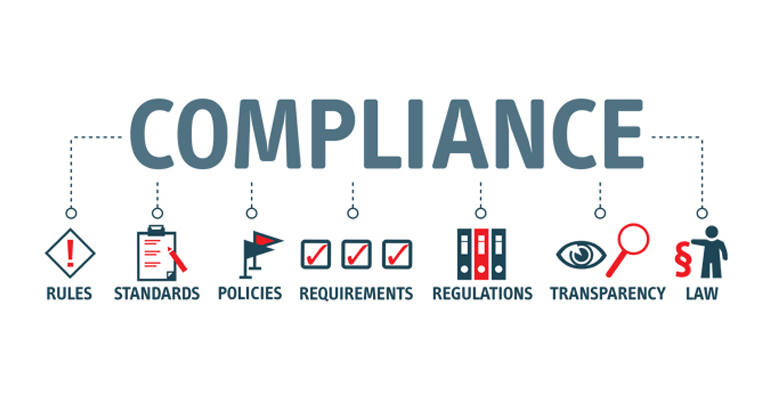
CIOs and decision makers put a lot of effort into developing data governance policies. However, over time, these policies become merely printed words and lose their value because they’re not followed in day-to-day operations. Organizations fail to ensure that their governance practices are in compliance with the standard policies, and this affects the quality of data in the long run.

Conclusion:
Good governance allows businesses to tame their data effectively, builds confidence in business data and brings value to it. Pitfalls like these can turn the best practices into the worst practices. However, when the top representatives from IT and business work together with the right software, data governance can lead an enterprise to newer heights.
Let’s Talk!

Why is Data Governance the number one strategic investment today?

We’ve reached the Information Age, where an organization’s data is its most vital asset. As data grows in volumes and structure, managing data efficiently becomes a primary business obligation. If you look at the past decade, or the decade before that, data governance was just a nice thing to have. It’s made a comeback as a relatively new and hot topic, and companies are gradually waking up to the growing importance of data governance.

Before a business can really get serious about putting data governance into practice, it must understand what it is all about. There’s no single definition to data governance, and there cannot be. Data governance is a vast phenomenon that aims at improving the quality of data in an enterprise by following the best practices in data management. In a nutshell, data governance is a set of practices that ensures that business data is accessed, utilized, maintained, managed and protected well.

As massive data gets generated every day, the threat of misuse and data breaches increases proportionately. For that, and several other significant reasons, companies are now realizing that adopting a complete data governance strategy will empower them in the long run. Here are a few reasons why data governance has become even more important than before.

Better decision making
Data is inevitably an important raw material for all business decisions and future strategy. A business that fails to manage its data efficiently, later fails at making prudent business decisions. When an enterprise manages its data formally, in accordance with data governance standards, it can clearly understand its current state of affairs. Data governance enables businesses to determine its data needs, plan policies and procedures accordingly and channelize its workforce towards better data management.

Improved Data Quality
Almost all businesses struggle with data quality issues from time to time. But there are very few business leaders who take an action to fix data quality issues. Data governance can drastically fix data quality issues and avoid errors in the future. It ensures that an enterprise’s data is accurate, complete, timely and consistent with all compliance regulations.

Protecting Critical Enterprise Data
A business that deals with sensitive customer information like personal preferences, or banking details etc. is constantly under the threat of data loss or breach. Then there’s critical enterprise data that needs to be cautiously protected. And that’s where data governance comes to rescue – safeguarding critical business and customer information in accordance with data privacy regulations. With data governance in place, companies can avoid costly data breaches and save its sensitive data in a very organized manner.

Reusability of Historical Business Data
Data growth is an alarming issue today. But what we must not forget is that even if new data comes in, old data doesn’t lose its importance. Data drives businesses, and every bit of data is critical business information and can be utilized at any time in future. For this, all historical data needs to be maintained and preserved in a usable format. Data governance builds a foundation for systematic data management, which preserves important business data diligently, making it reusable in the right format at any time in future.

Smooth Data Analytics
Developing an effective data governance framework enables capturing business data and using it from the analytics point of view. Clarity in information and effective data management ensures that data is available in the right format for better analytics. Better analytics in turn means better data reporting, and eventually better decision making from the management perspective.

These are just some of the most essential factors that are driving enterprises towards data governance practices. As long as organizations are driven by data, data governance is here to stay. It is no more just a nice thing to do; it is becoming a legal mandate and a strategic investment for all enterprises, big or small.

Let’s Talk!

GDPR: What it means for US-based companies

The General Data Protection Regulation (GDPR) is a new law that will come into effect in the European Union (EU) on the 25th of May, 2018. It’s key goal is to reinforce and unify data protection for individuals in the EU. The GDPR replaces the Data Protection Directive from 1995 and marks a major departure in many aspects.​

It is a new legal framework for handling personal data of EU-based individuals, be they customers, prospects, contractors or employees. It is already in force but not yet enforceable-businesses and not-for profit organizations have until May 25, 2018 to comply. Although GDPR originates in the EU, it actually impacts businesses worldwide- if they handle personal data of EU individuals, or do business with organizations that do. GDPR imposes obligations on how that data is treated, even if that personal data has traveled outside the EU and is now stored and handled in a distant corner of the world.

How will GDPR affect US companies

The main objective of GDPR is to give EU citizens greater control over how their personal data is collected, protected and utilized. While the legislation applies to EU companies, it also applies to any company that chooses to do business in the EU. US companies that operate in the EU market and which collect personally identifiable information (PII) are subject to EU-GDPR regulations in all of the EU countries in which they do business.

EU GDPR directly impacts organisations in the U.S. If they

  • have offices or employees in the EU
  • market or sell to EU citizens
  • partner with EU-based organisations
  • may have at one point, or may at some point in the future, process, store, receive, or handle in any way, data pertaining to EU citizens

If your processing activities fall into any of the above categories then you must comply with the EU GDPR guidelines. Basically, this means the rules follow the data, rather than being territorial. In other words, this is applicable to US companies that are not located in the EU but provide goods or services to EU citizens or monitor the behaviors of EU citizens. These companies must be in compliance with GDPR rules on the data privacy of these individuals.

Key points for US-based companies: How do I comply?

After determining that they are subject to the regulation, the next determination a US company has to make is what changes they need to make in order to comply. To truly comply with the new General Data Protection Regulation (GDPR) rules, means being able to see into ALL of the organisation’s data, which will assist in adopting a holistic approach with processes adopted across all industries, geographies and business units and provide a clear strategy on access and classification. Organisations need to know where personal data is stored, in what form it is found and keep track of who is authorised to access it. US-based companies that collect personal information and that operate within the European Union should consider preparing for the GDPR’s implementation by:

  • Developing or revising a privacy program that collects and retains personal information only to the extent necessary (e.g., adhering as closely as possible to the European Union’s “purpose limitation” requirements)
  • Appointing a knowledgeable data protection officer or a chief privacy officer to oversee the company’s privacy practices and ensure compliance with both domestic and international regulations
  • Reviewing and possibly amending contracts with third parties that process, control or maintain collected personal information to ensure proper safeguards and data breach reporting procedures
  • Ensuring that there are updated and tested data breach response policies and programs to ensure timely notification to regulators and consumers in the event of a data breach.

What is the impact?

At this point a US firm that may be subject to the regulation may ask “So what? Why do we care about EU data regulations?” Organizations that fail to comply can be fined up to 20 million Euros or 4% of their worldwide revenue.  Violators will be placed in one of two tiers, with the higher tier costing violators up to over 20 million euros or 4% of the company’s net income.

Let’s Talk!

With the European General Data Protection Regulation (GDPR) taking effect in May 2018, companies doing business in the European Union are scrambling to avoid the severe penalties from non-compliance with these stringent regulations.

Existing in a world with a global marketplace implies that GDPR cannot be overlooked and now is the time to ensure that your company is ready for how the changes may affect them. Consider the parts of the GDPR that will have the most impact on your business and begin with those areas first in your review and overhaul of your policies to ensure you are prepared for implementation ahead of the May 25, 2018 effective date of GDPR.

Z‑IntelliAI
Fill out the form to schedule your demo and discover how Estuate’s Gen AI solution can transform your business!
FusionLift.AI
Fill out the form to schedule your demo and discover how Estuate’s Gen AI solution can transform your business!
TrustMosaic
Fill out the form to schedule your demo and discover how Estuate’s Gen AI solution can transform your business!
ChurnRhino
Fill out the form to schedule your demo and discover how Estuate’s Gen AI solution can transform your business!
AgentE
Fill out the form to schedule your demo and discover how Estuate’s Gen AI solution can transform your business!